United Kingdom / Food & drink
A Sausage Machine and a Car Park Stall: The Kohn Brothers and The Jolly Hog
Three brothers take a sausage-making experiment from a small flat to food stalls and supermarket shelves.
4 min read
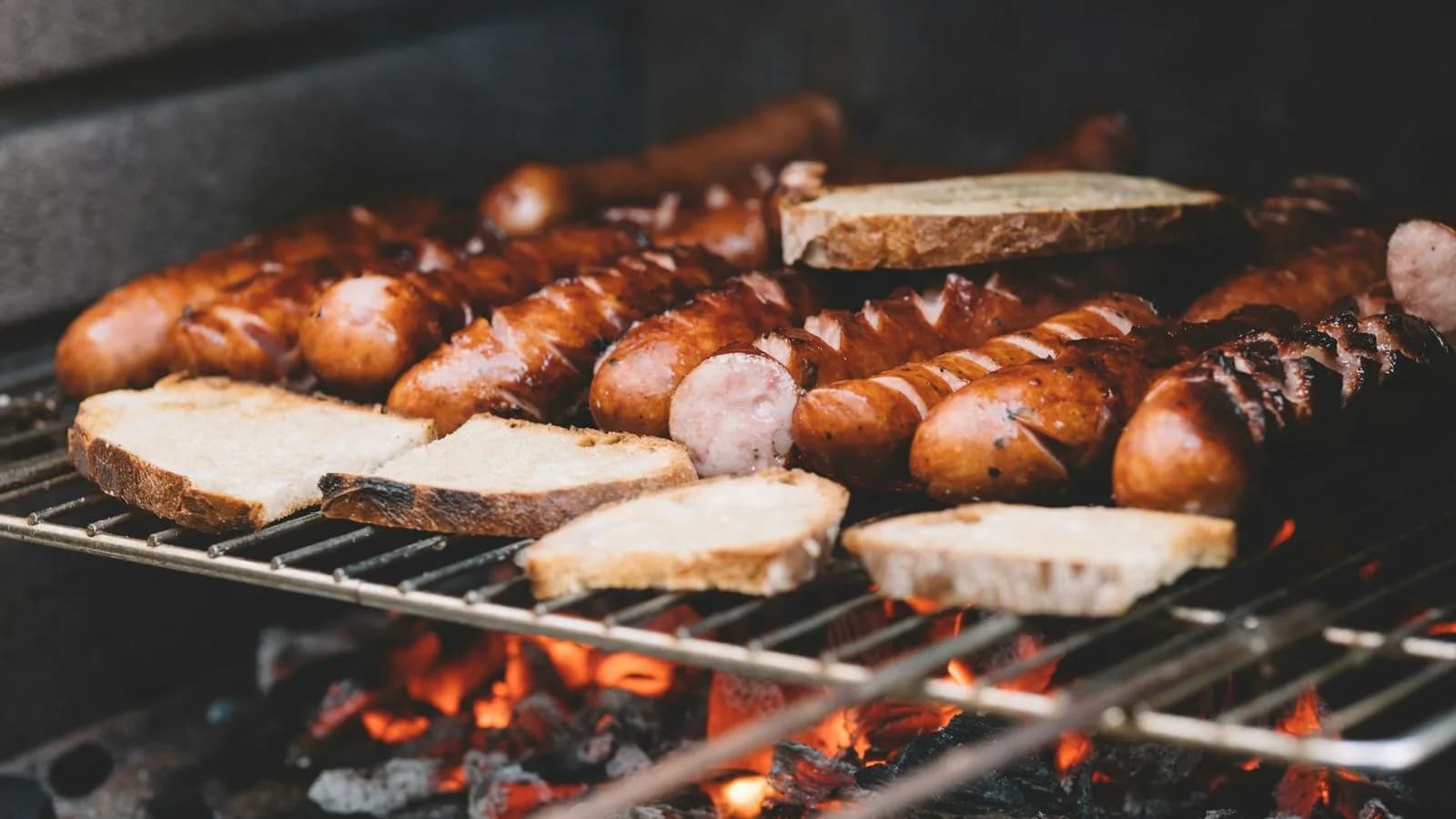
Sausages on the grill. Illustrative photo, not The Jolly Hog’s products.
Photo by Krzysztof Kowalik on Unsplash · Unsplash License
Olly, Josh and Max Kohn learned about business early. As boys, they worked in their father’s bespoke furniture business, starting by sweeping floors and later driving the vans. Years later, the three Bristol brothers would build a business of their own, one sausage at a time.
An unusual gift
Before The Jolly Hog, the brothers had very different careers. Olly was a professional rugby player for Harlequins, Josh was a carpenter and Max was a shipping broker.
The business started with a present. While Olly was recovering from a rugby injury, his wife gave him a sausage-making machine. He started making sausages in his one-bedroom flat in Twickenham and brought Josh in to help. The pair made sausages by hand and taught themselves to cure bacon by watching YouTube videos. “The plan was just to make the best sausage we could,” Olly said.
Losing money on day one
Their first customers were rugby fans. With a pop-up gazebo, a barbecue and a borrowed van, the brothers sold sausages in the car park at the Stoop, Harlequins’ ground, on match days. On the first day, they took £500, only to realise later that it had cost them £700. Olly says it showed they had no idea what they were doing, but that they loved making sausages and people loved eating them.
A famous fan
Then came a lucky break. Olly met chef Michel Roux Jr at Harlequins and later dropped off some homemade sausages, in a plastic bag, at Le Gavroche, his Michelin-starred restaurant. When Roux Jr named The Jolly Hog as his favourite sausage on GMTV, orders poured in.
The brothers had to grow up fast. At first, they used a friend’s butcher’s shop. They then built their first cold room next to their father’s workshop, using a second-hand fridge and an air-conditioning unit.
All three brothers on board
In 2011, Max left his job as a shipping broker to join full-time. The brothers built up a calendar of events around the country and never took outside investment, putting every pound back into the business. For three months, Josh and Max went without pay while still covering their mortgages. Olly, at least, still had his rugby salary.
After years of festivals, they opened a restaurant in Bristol called Pigsty. A second restaurant followed, but they closed it in 2019, calling it a major distraction, and turned their attention to retail.
Lockdown and supermarket shelves
The timing turned out to be fortunate. Major supermarket listings went live in spring 2020, just as shoppers were spending more than ever on bacon and sausages. But the pandemic also wiped out income from events and hit their restaurant.
The brothers used their spare stock to feed hospital staff. They expected about 100 people on the first day, but 500 turned up. “We were like, this is something we really should be doing more of,” Max said. Over the year, they handed out 50,000 baps. The project grew into Jolly Good Deeds, a monthly scheme delivering food boxes to families in need through Bristol schools.
Growing up as a brand
Once the supermarket listings arrived, the business doubled in size. The Jolly Hog became a B Corp in 2022 and made £7.7 million from retail sausage sales in 2023. It now sells more than 25 products in UK supermarkets, using meat from British, outdoor-bred, RSPCA-assured farms. Its headquarters are in shipping containers at Bristol’s Wapping Wharf.
The brothers have learned to hire people with skills they lack, and social media has moved from Olly’s phone to a dedicated team. Remarkably, Olly says the sausage they first sold in that car park is still their best-seller. The company plans to double in size over the next three years.
The lesson
Olly believes growth doesn’t come from one big breakthrough. The Jolly Hog’s story is one of steady progress, sticking to quality and reinvesting every penny. The brothers hope it will become a heritage brand still found in people’s fridges decades from now.